January Training Details
Oil and Gas Industry Training
The Oil and Gas industry has seen many changes in the last few years, with a down-turn in the market prices, bring major re-structures and high down-sizing or organizations. With the challenges currently being faced, it is vital that Oil and Gas professionals recognize the need of a comprehensive and adaptability of skills to meet this new world of the Oil and Gas industry, including economics, evaluation and decision-making skills.
Delivered by world-leading experts in their fields, our exciting range of Oil and Gas courses feature innovative, world-class, leading-edge techniques to help you, your team and your organization excel in today's challenging business environment.

Chemical Engineering in Oil & Gas
CLICK HERE
Program Purpose:
This intensive 7-day course will provide attendees with the working knowledge to overcome the most damaging and highly prevalent problems in rotating machinery. This course combines theoretical and practical knowledge to enhance the troubleshooting skill and carrying out corrective tasks capabilities.
What are the Goals?
By the end of this training course, participants will be able to:
Understand oil and gas process and different products
Understand the detailed process of oil and gas plant
Monitor and address the process safety of plant
Understand the production engineering and the method of planning and forecasting
Select the best operation strategy to achieve the plant reliability
Understand the corrosion management
Program Contents:
PART I: Oil and Gas Overview
1. Process Overview
• Offshore
• Gas/Oil production- Onshore
• NGL
• LNG
• GTL
• Refinery
• Utilities
• Major Equipments
2. Major Hazards
3. Market Review
4. What are A Chemical Engineer Roles in oil & gas?
PART II: Operations
1. Operation Herichary/organisation
2. Roles & Responsibility
3. Operations Excellence approach
4. Pre - commissioning & commissioning & start up
PART III: Process Engineering
1. Technical support (surveillance)
2. Process control & optimization
3. Process Design
• Roles & Responsibility.
• Optimization.
• Plant performance & efficiency monitoring.
• Process Design:
1. Hydraulic calculation
2. Pressure transient analysis
3. Flare design
4. Tank design
5. Pumps design
6. Comp design
7. Distillation tower design
8. Separator design
9. Reactor design
PARTIV: Process Safety Management
1. Definitions.
2. PSM system.
3. PSM Elements.
4. Risk Management.
PART V: Production Allocation
1. Products Movement
2. Product Forecast
3. Production Planning
PART VI: Reliability
1. Definitions.
2. Methodologies
PART VII: Corrosion Engineering
1. Definitions.
2. Requirements for corrosion.
3. Reasons for corrosion studies.
4. Economics Factors.
5. Expectation from Chemical Engineer.
6. Theories of corrosion.
Certifications:
1- Certificated accredited by Multiserv with NVQ number
Period: 32 Hrs - 11 days - 3 days per week - 6:9 PM (ONLINE)
PMP Preparation Training
The Project Management Professional (PMP) is the most important industry-recognized certification for project managers.
You can find PMPs leading projects in nearly every country and, unlike other certifications that focus on a particular geography or domain, the PMP® is truly global. As a PMP, you can work in virtually any industry, with any methodology and in any location.
The PMP signifies that you speak and understand the global language of project management and connects you to a community of professionals, organizations and experts worldwide. Become a PMP and become a project hero.
PMP Training Details
CLICK HERE
Introduction
PMP Exam preparation course will guarantee your success in the PMP exam. You will gain needed knowledge and skills to prepare for the PMP Exam. This course takes you through the 10 knowledge areas of the PMBOK® Guide (Sixth Edition) along with essential terminologies, tools and techniques.
This “36 Contact Hour PMP Exam Prep.” course is dedicated to all PMP exam aspirants who want to pass the PMP certification exam on their first try.
Course Description
This training course gives you the knowledge and skills to ensure that your projects are completed on time and on budget while giving your client the agreed upon product. The course uses presentations, exercises, and discussions of industry- specific examples. Today, there are approximately 273,000 PMPs worldwide. This may seem like a very large number. However, when you compare it to the 16 million professionals actively employed in project management today, it represents only a very small percentage.
Why Obtain the PMP Certification?
-
The PMP certification recognizes demonstrated competence in leading and directing project teams. It provides project managers with a solid foundation of experience, education and competency to successfully lead and direct projects that will have a positive impact on a company’s bottom line results.
-
Internationally recognized credential across an array of industries that employ project managers
-
Unique competitive advantage
-
Increased marketability
-
Higher salaries compared with non-credentialed peers
Course Modules
This program provides an overview of the project environment, life cycle and organization. It provides detailed coverage of The Ten Knowledge Areas defined in “A Guide to the Project Management Body of Knowledge, (PMBOK® Guide) – Sixth Edition, Project Management Institute, Inc., 2013“:
-
Scope Management
-
Time Management
-
Cost Management
-
Quality Management
-
Human Resources Management
-
Communications Management
-
Risk Management
-
Procurement Management
-
Stakeholder Management
-
Integration Management
And you will also learn
-
Prepare to pass the PMP exam
-
Navigate the process groups and knowledge areas of the PMBOK® Guide – Sixth Edition
-
Identify and map the inputs and outputs of the PMBOK® Guide processes
-
Align your project management knowledge with PMBOK® Guide terminology and definitions
-
Analyze PMBOK® Guide tools and techniques essential for PMP exam preparation success
-
Create a personalized plan for self-study to focus your efforts after the course
Course Outline
-
Introduction to the PMBOK® Guide and Project Management Framework
-
Project Integration and Scope Management
-
Project Time Management
-
Project Cost Management
-
Project Quality Management
-
Project HR Management
-
Project Communication
-
Project Risk Management
-
Project Procurement Management
-
Professional Responsibility and Ethics
-
Plan for the Exam
Course Objectives
Research has consistently demonstrated that when clear goals are associated with learning, it occurs more easily and rapidly. With that in mind, let’s review our goals for today. At the end of this program, participants should be able to:
-
Describe professional project management
-
Initiate a project
-
Plan project work
-
Develop project schedules
-
Develop cost estimates, and budgets
-
Plan project quality, staffing, and communications
-
Analyze project risks
-
Plan project procurement
-
Manage project procurement
-
Eexcute project work
-
Monitor and control project work
-
Monitor and control project schedule and costs
-
Monitor and control project quality, staffing, and communications
-
Monitor and control project risks and contracts
-
Close the project
Target Audience
The program is designed for project managers and directors who have a desire to increase their team’s overall performance, productivity and profitability. This training program will be of interest to a wide range of Experienced Project Managers who want to obtain their PMP Exam certification Project Leaders and Project Team Members. And also:
-
Project enthusiasts, entrepreneurs, Junior Engineers with minimum 2 years of experience
-
Managers (Directors – General Managers)
-
Professionals interested in applying for the PMP Exam
-
Individuals who are performing projects as a project coordinator, project lead or project manager or business analysts
OSHA DIPLOMA
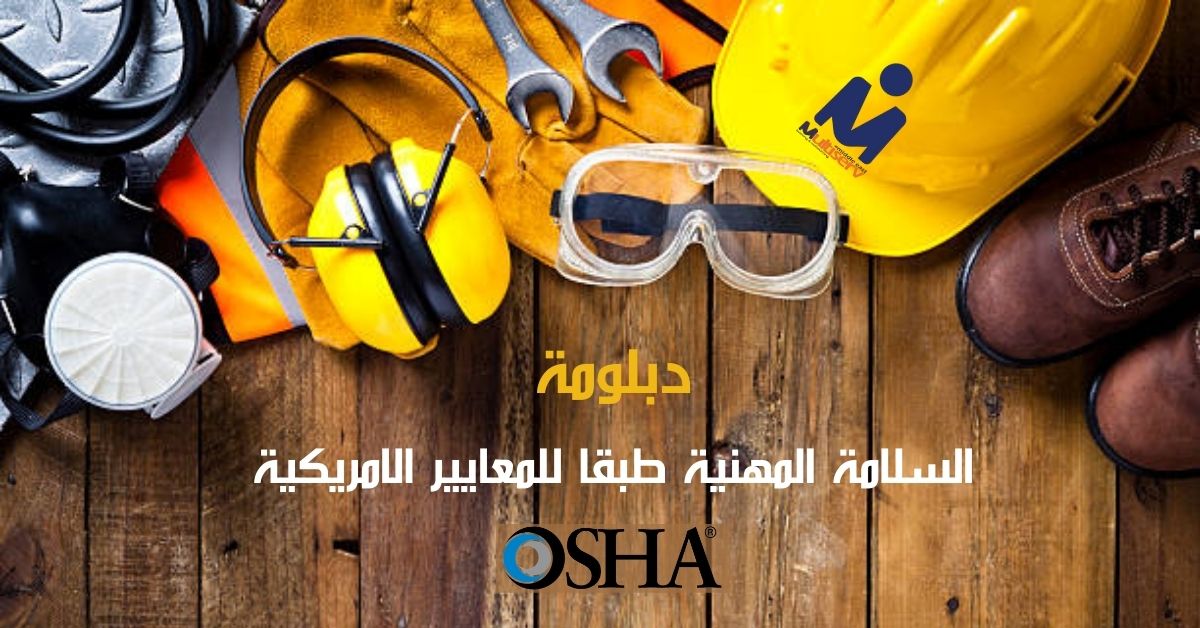
The objective of the advanced professional certificate in occupational health, safety and environmental control (HSE) is to provide engineers and Safety Professionals with the proper information and skills to develop and implement a variety of safety and occupational health programs at the workplace in order to protect personnel, equipment, production and the workplace environment.
OSHA DIPLOMA
The Outreach Training Program is a voluntary program. Its purpose is to promote workplace safety and health and to make workers more knowledgeable about workplace hazards and their rights. Outreach training does not fulfill the training requirements found in OSHA standards. Employers are responsible for providing additional training for their workers on specific hazards of their job as noted in many OSHA standards. A list of standards requiring training may be found in OSHA Publication 2254, Training Requirements in OSHA Standards and Training Guidelines.
CLICK HERE
Designed For Specialists
The OSHA Outreach Training Program provides training on the recognition, avoidance, abatement, and prevention of workplace hazards. Outreach classes also provide overview information regarding OSHA, including workers' rights, employer responsibilities, and how to file a complaint.
Program Benefits
Promotes safety culture through peer training
Training is intended to be participatory, using hands-on activities
Trainers are able to tailor the training topics based on specific needs of their audience
Outreach training content includes hazard recognition and avoidance, workers' rights, employer responsibilities, and how to file a complaint; it emphasizes the value of safety and health to workers, including young workers
Outreach training is available in languages Arabic and English
The 30-hour training program is intended to provide workers with some safety responsibility a greater depth and variety of training. All outreach training is intended to cover an overview of the hazards a worker may encounter on a job site. Training emphasizes hazard identification, avoidance, control and prevention, not OSHA standards.
Course outline
Occupational Safety and Health Standards for the General Industry
- Walking-Working Surfaces
- Exit Routes - Emergency Planning
- Powered Platforms, Man-lifts
- Hazardous Materials
- Personal Protective Equipment PPE
- Fire Protection
- Compressed Air Equipment
- Machinery and Machine Guarding
- Portable Powered Tools
- Welding, Cutting and Brazing
- Electrical Hazard
- Hazards and toxic substances
Occupational Safety and Health Standards for Construction Industry
- Signs, Signals, and Barricades
- Fire Protection and Prevention
- Materials Handling and Storage
- Tools-Hand and Power
- Scaffolds
- Fall Protection
- Hoists, Elevators, and Conveyors
- Excavations
- Civil Construction
- Confined Spaces
- Cranes and Derricks
Occupational Safety and Health Standards for Firefighting
- Fire Types
- Portable Firefighting
- Fixed Firefighting System
Hazard Identification and Risk Assessment
- Hazard Identification
- Job Hazard Analysis
- RA Completion
Mechanical Rotating Equipment - ONLINE/OFFLINE
The training course will introduce delegates to elements of rotating equipment as encountered in oil and gas industry. Various types of gas compressors, pumps, blowers and fans will be discussed and the importance of their vital design elements such as bearings, seals, filters, safety controls, and others, will be explained in detail.
The training course will be on the start-up and operation of these machines and their optimal maintenance, diagnostics and troubleshooting techniques. The training will also highlight the guidelines for efficient and safe operation, by indicating the important elements of safety control systems.
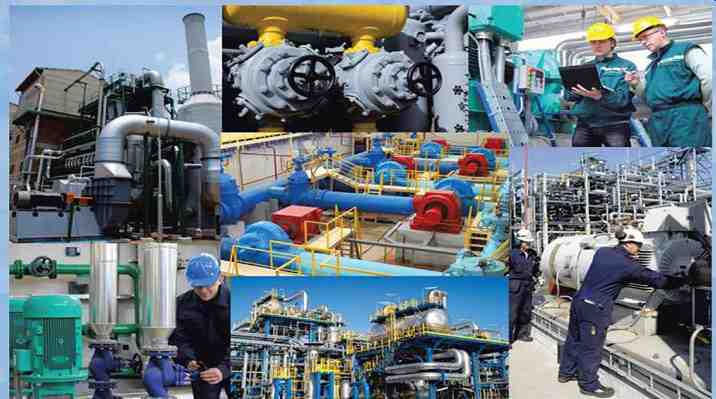
Mechanical Rotating Equipment
CLICK HERE
This training course will feature:
Principles of compressor, pump and blowers and fans start up and operation
Best practices for maintenance and repair
Measurement and control of performance of these machines
Inspection and diagnosing the root cause of problems
Troubleshooting techniques for operational problems of pumps, compressors and turbines
What are the Goals?
By the end of this training course, participants will be able to:
Understand operation of various types of compressors, pumps, and blowers
Operate compressors pumps and blowers close to their design efficiency
Monitor compressor, pump and blowers reliability and availability
Combine range of operation and cost effectiveness
Select the best operation and maintenance strategy
Troubleshoot compressor, pump and blowers problems
Program Contents:
1- Introduction of Rotating Equipment
Fundamentals
Definitions
Prime movers
2- Compressor, Fans & Blowers Maintenance
Classification of Compressors
Industrial centrifugal compressors
The principles of compression
2.1 Centrifugal Compressor
Compressor Parts
Axial force on impeller
2.2- Axial Flow Compressor
The advantages of axial compressors
The disadvantages of axial compressors
2.3- Combined Axial and Radial Compressor Applications
2.4- Centrifugal Compressor Performance Curves
2.5- SURGE PHENOMENON
2.6- Centrifugal Compressor Shaft End Seals
Types Shaft End Seals
2.7- POSITIVE DISPLACEMENT COMPRESSORS
RECIPROCATING COMPRESSORS
Multistage reciprocating compressors
ROTARY COMPRESSORS
ROTARY COMPRESSORS
2.8- FANS & BLOWERS
AXIAL FANS
CENTRIFUGAL FANS
2.9- BLOWERS
2.10- Compressors & Gas Compression Ranges of Application
2.11- Start up and shutdown a dynamic compressor
2.12- Troubleshooting a centrifugal compressor
2.13- Troubleshooting a reciprocating compressor
2.14- Miscellaneous Centrifugal compressors
2.15- Miscellaneous Axial compressors
3- Pump Maintenance
What is Pump?
Application of Pump
Pump Classification
3.1- Dynamic Pumps
Centrifugal Pump
Axial Flow Pump
Mixed Flow Pumps
Net Positive Suction Head (NPSH)
ADVANTAGES AND DISADVANTAGES OF CENTRIFUGAL PUMPS
Multistage Impellers Arrangement
HOW TO READ A PUMP CURVE
Cavitation
Centrifugal Pumps Troubleshooting
3.2- Positive Displacement Pump
RECIPROCATING PUMP
Piston PUMP
Plunger PUMP
DIAPHRAGM PUMPS
3.3- ROTARY PUMP
External Gear Pump
INTERNAL GEAR PUMP
LOBE PUMP
SLIDING VANE PUMP
SCREW PUMPS
Progressive Cavity Pump
Some Other Design
3.4- Do's and Don'ts
3.5- Pump Seal
3.6- Miscellaneous Pumps
3.7- CENTRIFUGAL PUMP CONDITION EVALUATIO
Certifications:
1- Certificated accredited by Multiserv with NVQ number
Period: 30 Hrs - 10 days - 3 days per week - 6:9 PM (ONLINE)
Trainer Development Program - ONLINE
The training course will introduce delegates to elements of rotating equipment as encountered in oil and gas industry. Various types of gas compressors, pumps, blowers and fans will be discussed and the importance of their vital design elements such as bearings, seals, filters, safety controls, and others, will be explained in detail.
The training course will be on the start-up and operation of these machines and their optimal maintenance, diagnostics and troubleshooting techniques. The training will also highlight the guidelines for efficient and safe operation, by indicating the important elements of safety control systems.

Trainer Development Program (TOT & Advanced Assessor)
Program Purpose:
Trainer Development Programme (TDP) has been one of the most successful instances of transfer of learning under a donor project resulting in the development of a cadre of trainers. Recognizing the importance of trainers in the training function.
CLICK HERE
The Trainer Development Programme requires interventions to strengthen delivery and supplement content with pedagogical knowledge, current best practices and tools, technological advancements and implement cost effective and high quality training strategies. Certification of trainers under the Trainer Development Programme is on a renewable basis related to their actually conducting a required number of training programs and also attending courses meant for upgrading their skills.
Learning outcomes
On successful completion of the course, participants will be able to:
identify skills which are transferable from teaching to training
identify and describe learning styles
relate learning styles to activity types and tasks
define motivation and relate it to training contexts
relate teacher levels of experience to issues and challenges in delivering
training
analyze problems and provide solutions to enable effective presentation of
input and activities
provide constructive feedback to trainees
evaluate training materials for trainees of different experiential levels
establish a checklist of evaluation criteria
express valid, measurable learning outcomes
deliver a teacher training activity to peers
provide constructive feedback to fellow participants on micro-training
activities
create and deliver motivating and effective workshops.
Program Contents:
PART I: TRAINING FUNDAMENTALS
1. REASON FOR TRAINING
2. TRAINER ROLE
3. SYSTEMATIC TRAINING
4. LESSON PLANNING
5. QUESTIONING
PART II: CLASSROOM MANAGEMENT
1. CLASSROOM MANAGEMENT
2. LEARNERS MOTIVATION
3. COACHING
4. EVALUATION OF LEARNING
PART III: EFFECTIVE LEARNING
1. LEARNER CENTERED APPROACH
2. LEARNING STYLE
3. COLLABORATIVE / COOPERATIVE
PART IV: IMPROVING TEACHING
1. DEMONSTRATION METHOD
2. TRAINERS COMPETENCIES
3. EFFECTIVE PRESENTATION
Optional:::
PART V:Advanced Assessor
1. Assessor role
2. Assessment types
3. Assessments methods
4. Assessment planning
5. Carryout an assessment
6. Feedback
Certifications:
1- TOT certificated accredited by Multiserv with NVQ number
2- Advanced Assessor Certificate by C&G
Distributed Control System (DCS)
This course introduces description of DCS with its architecture and explain its
components with the applications and selection criteria in different industries.
The course is designed for Instrumentation engineers, supervisors and technicians.
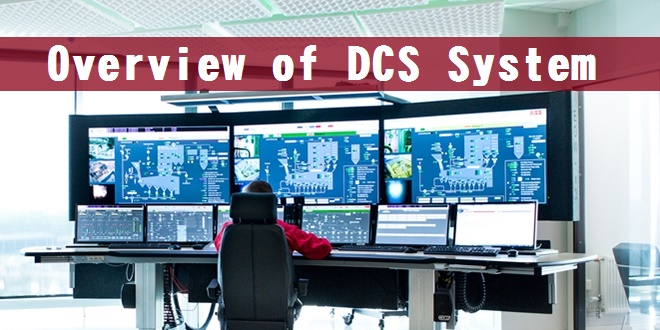
Distributed Control System (DCS)
CLICK HERE
Course objectives:
Upon completion of the course. Participates will be able:-
• To define the concept of control with basic elements of control loop. To
explain interconnection between control system and field.
• To define the components of DCS and architecture
• To explain applications and selection criteria of DCS in different processes.
Who should attend:
The course is designed for Instrumentation engineers, supervisors and technicians.
Course duration: 20 hours
Course contents:
• Concept of Process Control:
➢ Control System Definition
➢ Process Control Definition
➢ Basic Elements of Control Loop
➢ Standard Instrument Signals
➢ Smart Transmitters
• Introduction To Digital Control System
➢ Direct Digital Control (DDC)
➢ Programmable Logic Controller (PLC)
➢ SCADA
➢ DCS
➢ Main Differences Between DCS, PLC and SCADA
• DCS Structure and Main Components
➢ Controller Systems and Input/Output Modules
➢ Operator Stations
Page 2 of 2 Eng. Moataz Sherif
➢ Engineering Stations
➢ Control Network
➢ Advantages and Disadvantages of DCS
• Signal Transmission
➢ Digital Vs. Analog Communications
➢ Fieldbus Technology
➢ HART
➢ Foundation FieldBus
• Networking
➢ Open System Model
➢ Network Topologies
➢ Network Cables
➢ Industrial Network
➢ Servers
• DCS Controller
➢ Hardware Description
➢ Process Control Software
➢ Redundancy
➢ Diagnostics and Fault Announcements
➢ A practical Example (ABB Advant Controller 450)
• Operator Station
➢ Hardware
➢ Operation and Configuration
➢ A Practical Example (ABB Advant OCS)
• Overview of Practical DCS Systems
➢ ABB System Adant OCS for Advant Master
➢ ABB System 800xA Architecture for Advant Master
Control Valve
This course introduces description of the control valves function, theory, operating principles, construction and application. It also provides the required skill for maintenance and inspection as well as testing.
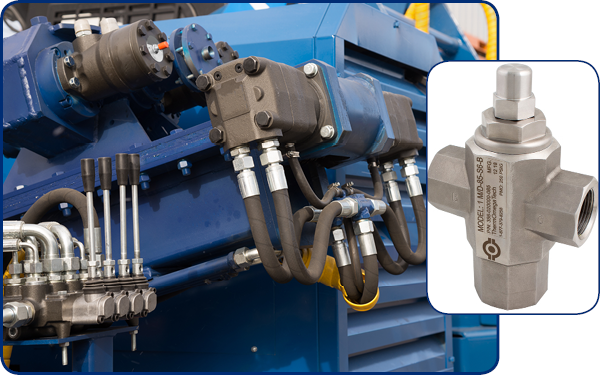
Control Valves
CLICK HERE
Course objectives:
Upon completion of the course. Participates will be able :-
• To define the function of the control valve in the process
• To define types of control valves in industrial applications
• To explain components of control valves and their construction and how to
select them according to process requirements
• To define different types of control valve accessories
Who should attend:
The course is designed for Instrumentation engineers, supervisors and technicians .
Course duration: 16 hours
Course contents:
➢ Introduction
➢ Valve Body
• Valve Trim
• Control Valve Characteristics
• Classifications of control valve
o Sliding-stem valves
▪ Globe Valves
▪ Gate Valves
▪ Diaphragm Valves
o Rotary-stem valves
▪ Ball Valves
▪ Segmented Ball Valves
▪ Butterfly Valve
o Dampers and louvres
➢ Control Valve Fundamentals
• Control Valve Capacity – Cv
• Valve Recovery Coefficient
• Control Valve Problems
o Mechanical Friction
o Flashing
o Cavitation
Page 2 of 2 Eng. Moataz Sherif
o Choked Flow
o Valve Noise
o Erosion
o Chemical attack
➢ Control valve actuators
• Pneumatic actuators
• Hydraulic actuators
• Electric actuators
• Hand (manual) actuators
➢ Valve failure mode
➢ Actuator bench-set
➢ Valve positioners
• Pneumatic positioners
• Electronic positioners
• Smart Positioners
• Calibration of valves positioners
➢ Split ranging
➢ Solenoid Valves
➢ Other valves accessories
• Volum booster
• Quick exhaust
• Lock-in relay
For Booking
CAll or Whatsaap
01011431346
Messanger
https://www.facebook.com/multiserv.tc